


Non Rodent Animal Handling And Laboratory Techniques
Category: Tutorials
- views: 276
- date: 5 March 2026
- posted by: 0nelove
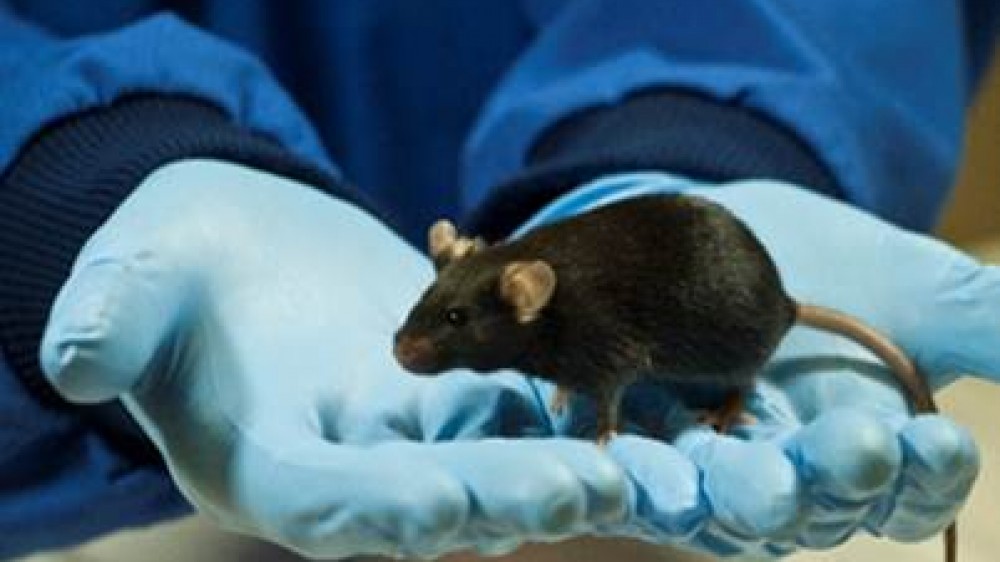
Non Rodent Animal Handling And Laboratory Techniques
MP4 | Video: h264, 1920x1080 | Audio: AAC, 44.1 KHz
Language: English | Size: 2.09 GB
Practical training in non-rodent animal handling, housing, safety, ethics, and laboratory procedures
What you'll learn
Understand the fundamentals of non-rodent laboratory animal biology and behavior
Learn ethical handling and CPCSEA-approved practices
Gain knowledge of anesthesia, dosing, and experimental procedures
Identify stress, pain, and health issues in non-rodent animals
Requirements
This course is designed for beginners as well as early-career researchers.
All concepts are explained from basic to advanced level.
No laboratory setup or animal facility access is needed to complete the course.
Description
This course provides a comprehensive and practical introduction to non-rodent animal handling and laboratory techniques used in biomedical and preclinical research. It is designed to build strong foundational knowledge while emphasizing animal welfare, ethical compliance, and researcher safety.
You will learn the scientific rationale for using non-rodent species, how to select appropriate animal models, and how to design studies that are both ethically responsible and scientifically valid. The course explains regulatory requirements and ethical principles, including the 3Rs Reduction, Refinement and Replacement, CPCSEA guidelines, and institutional responsibilities.
Practical aspects of animal house management are covered in detail, including housing conditions, environmental control, sanitation, record-keeping, transportation, quarantine, and acclimatization. The course also focuses on safe animal handling and restraint techniques, use of personal protective equipment (PPE), and risk assessment to protect both personnel and animals.
You will gain essential knowledge of basic laboratory procedures, blood collection limits, anesthesia and analgesia principles, humane endpoints, and euthanasia practices, with a strong emphasis on minimizing pain and distress.
By the end of this course, learners will be equipped with the core competencies required to work confidently and responsibly with non-rodent animals in research settings, while meeting ethical and regulatory expectations and to assess that quiz is also provided.
Who this course is for
Pharmacy, pharmacology, life sciences, biotechnology, zoology, and veterinary students
Postgraduate students, PhD scholars, and research interns involved in preclinical research
Researchers and laboratory staff working with non-rodent laboratory animals
Beginners who want to learn non-rodent animal handling from scratch
Learners preparing for CPCSEA training, exams, or viva
Anyone interested in laboratory animal science and ethical research practices
https://nitroflare.com/view/0799DF4A7010675/Non_Rodent_Animal_Handling_And_Laboratory_Techniques.part1.rar
https://nitroflare.com/view/B010C6102B9B938/Non_Rodent_Animal_Handling_And_Laboratory_Techniques.part2.rar
https://nitroflare.com/view/A43D34066454E0D/Non_Rodent_Animal_Handling_And_Laboratory_Techniques.part3.rar
https://rapidgator.net/file/72537a21db8ce98e4a4f78ff1a3ba5e2/Non_Rodent_Animal_Handling_And_Laboratory_Techniques.part1.rar.html
https://rapidgator.net/file/e367593e75d51dca506964e3a16ae990/Non_Rodent_Animal_Handling_And_Laboratory_Techniques.part2.rar.html
https://rapidgator.net/file/1cd7e10f9a094cd0dbc5b50fcb2f31f2/Non_Rodent_Animal_Handling_And_Laboratory_Techniques.part3.rar.html
We need your support!
Make a donation to help us stay online

Bitcoin (BTC)
bc1q08g9d22cxkawsjlf8etuek2pc9n2a3hs4cdrld

Bitcoin Cash (BCH)
qqvwexzhvgauxq2apgc4j0ewvcak6hh6lsnzmvtkem

Ethereum (ETH)
0xb55513D2c91A6e3c497621644ec99e206CDaf239

Litecoin (LTC)
ltc1qt6g2trfv9tjs4qj68sqc4uf0ukvc9jpnsyt59u

USDT (ERC20)
0xb55513D2c91A6e3c497621644ec99e206CDaf239

USDT (TRC20)
TYdPNrz7v1P9riWBWZ317oBgJueheGjATm
Information |
|||
 |
Users of GUESTS are not allowed to comment this publication. | ||