


Building Scalable APIs with GraphQL (2016)
Category: Tutorials
- views: 193
- date: 17 June 2025
- posted by: AD-TEAM
Building Scalable APIs with GraphQL
August 2016 | MP4 | Video: AVC 1280x720 | Audio: AAC 44KHz 2ch | Duration: 2 Hours 10M | 389 MB
Genre: eLearning | Language: English
GraphQL is a query language and runtime that can provide a common interface between client and server applications for fetching and manipulating data. This course will show you how to build and consume GraphQL APIs with real-world examples.
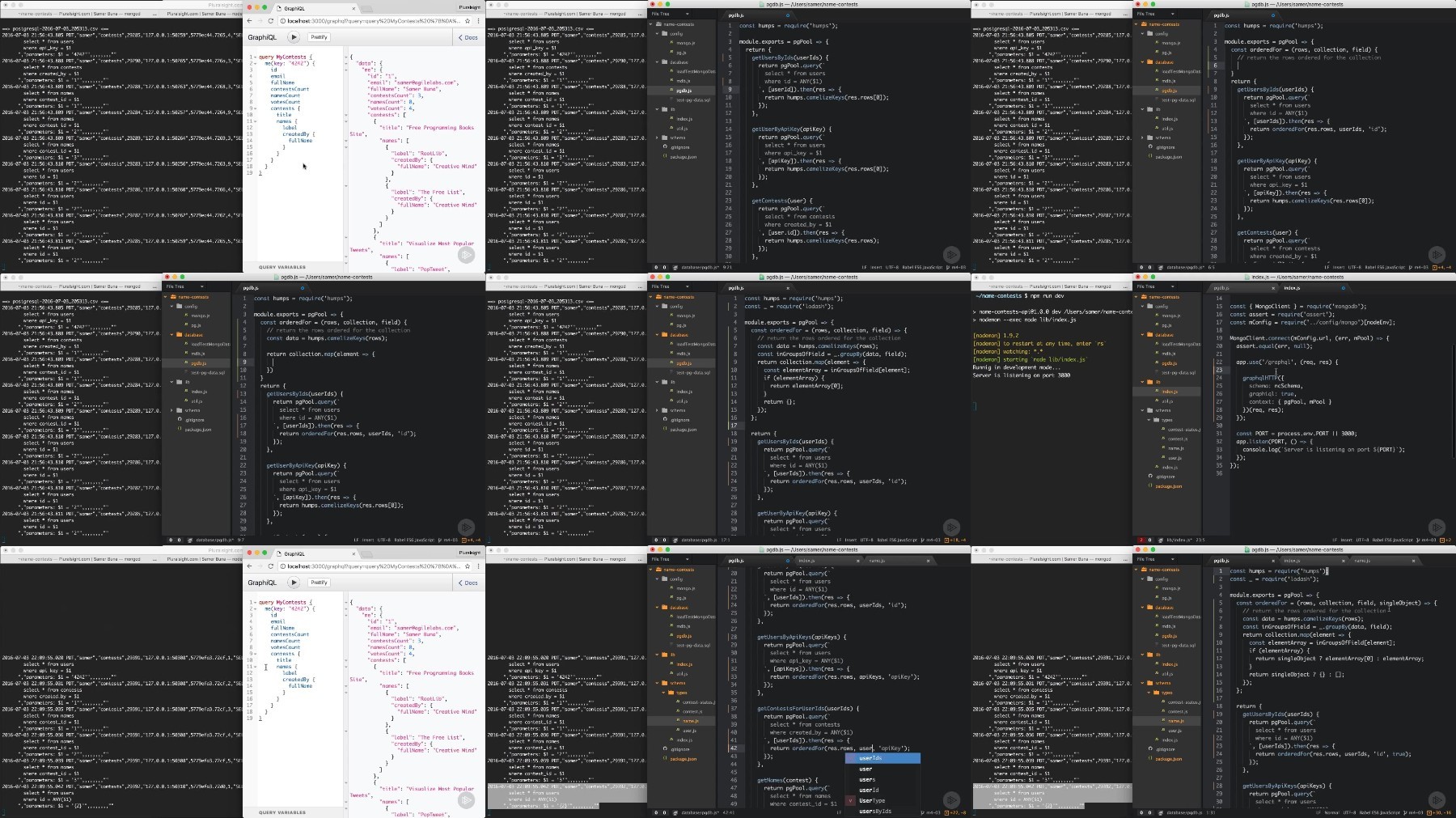
Want to get up and running with building and consuming GraphQL APIs? In this course, Building Scalable APIs with GraphQL, you'll learn what separates GraphQL from other languages and API runtimes, as well as what problems GraphQL solves, and how to use it for declarative data communication. This course is a great place to start for learning GraphQL, but to get the most from this course, you should have some experience with jаvascript and with NoSQL databases, including MongoDB or PostgreSQL. You'll learn how to create a GraphQL schema and how to use it via any interface, including an HTTP-based one. Next, you'll learn to use multiple types of databases with GraphQL, including PostgreSQL and MongoDB, and how to use caching and batching via tools like Dataloader to avoid extra queries to the database. Finally, you'll learn how to work with mutations, union types, and how to model GraphQL fields using database views. By the end of this course, you'll know how to build and consume a GraphQL API, and how to do so efficiently.
RapidGator
NitroFlare
DDownload
We need your support!
Make a donation to help us stay online

Bitcoin (BTC)
bc1q08g9d22cxkawsjlf8etuek2pc9n2a3hs4cdrld

Bitcoin Cash (BCH)
qqvwexzhvgauxq2apgc4j0ewvcak6hh6lsnzmvtkem

Ethereum (ETH)
0xb55513D2c91A6e3c497621644ec99e206CDaf239

Litecoin (LTC)
ltc1qt6g2trfv9tjs4qj68sqc4uf0ukvc9jpnsyt59u

USDT (ERC20)
0xb55513D2c91A6e3c497621644ec99e206CDaf239

USDT (TRC20)
TYdPNrz7v1P9riWBWZ317oBgJueheGjATm
Information |
|||
 |
Users of GUESTS are not allowed to comment this publication. | ||