


Practical introduction to Observability
Category: Tutorials
- views: 88
- date: 24 February 2025
- posted by: AD-TEAM
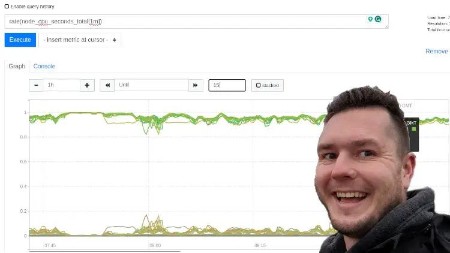
Practical introduction to Observability
Last updated 12/2023
Duration: 3h35m | .MP4 1280x720, 30 fps(r) | AAC, 44100 Hz, 2ch | 2.28 GB
Genre: eLearning | Language: English
Learn how to instrument systems with logs & traces so you can later debug them in production
What you'll learn
Understand what "Observability" is, and how a software system can be "Observable"
Understand what the major data types (or "Pillars") of Observability are, what the trade-offs are and when to use each
Be able to instrument a "Go" based example application generating Logs & Traces
Be able to use the telemetric data generated to debug different production problems.
Requirements
Know how a HTTP API is implemented in your language of choice.
Be able to read, and ideally write, Go.
Be familiar with deploying software in a cloud environment.
Description
In this course, you'll learn the fundamental building blog of making systems reliable: making them
observable
.
We'll talk about Observability, why it is such an essential part of making reliable software, how to understand whether or not a system is "observable", and then how to make it observable by instrumenting it with different "pillars" of observability. We'll discuss two of those pillars — logs & traces — and we'll talk about what problem each of these solves.
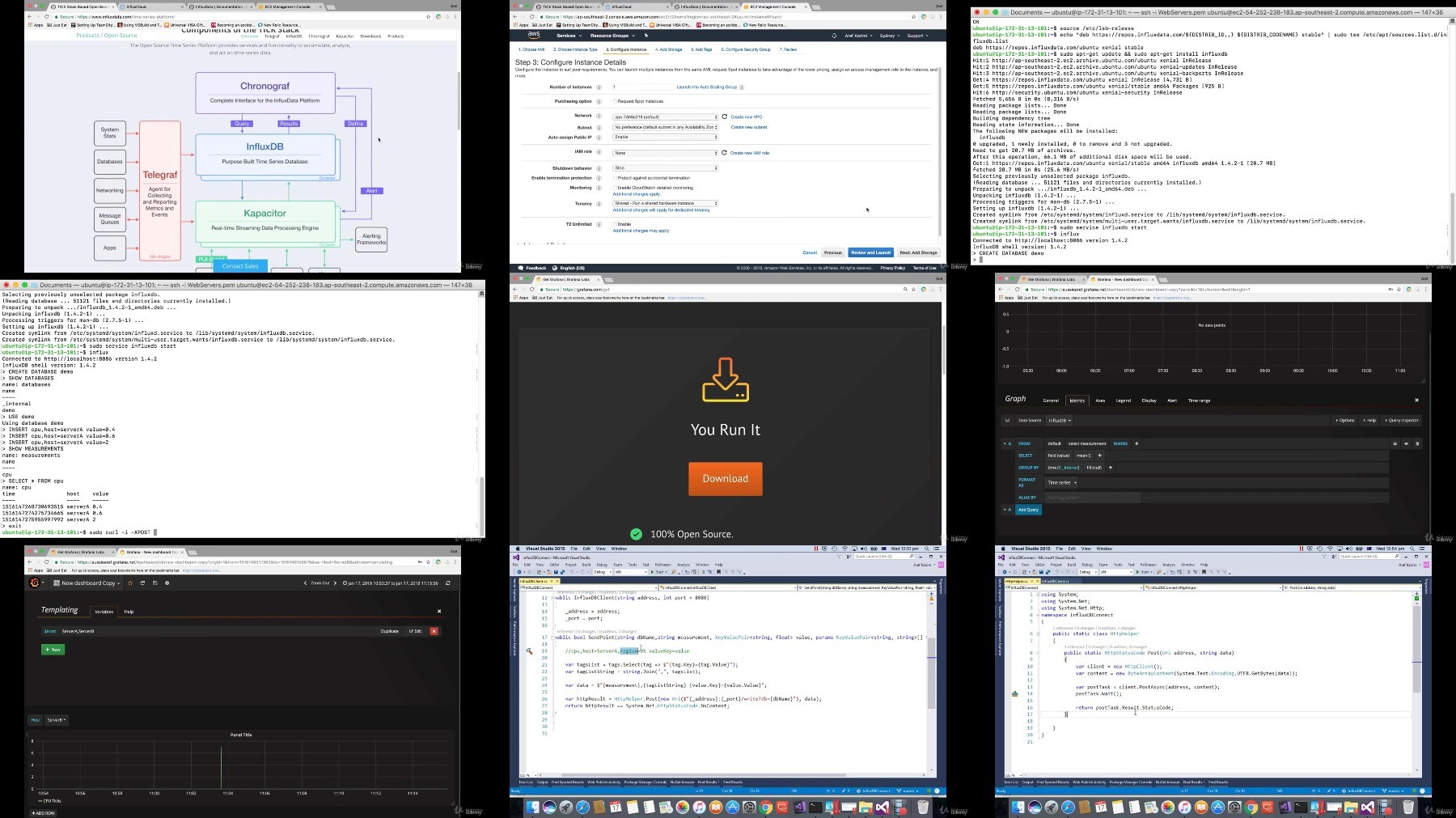
To help enable you to make this topic practical, we'll go through examples in Go instrumenting sample applications that you can reproduce on your own Linux (or WSL-based) system. We'll examine the output of this instrumentation in the terminal or open-source UIs that you can use to learn the concepts. Lastly, we'll reproduce some failure modes to understand what failure looks like in these tools and give you a wider range of capabilities to debug different production issues.
This course was made for you if you are a mid to senior-level developer with some experience deploying software to production. Still, you're looking to build the skills and capabilities to run higher-scale services with more traffic and debug these systems when they get into trouble.
Let's get started!
Who this course is for:
Developers with 1 - 3 years of experience building application that are deployed to production
More Info
TurboBit
https://turbobit.net/s28f98ueb8k7/.Practical.introduction.to.Observability.part1.rar.html
https://turbobit.net/ayg2jiwt0b3g/.Practical.introduction.to.Observability.part2.rar.html
https://turbobit.net/1kgwnec8737h/.Practical.introduction.to.Observability.part3.rar.html
RapidGator
https://rapidgator.net/file/147ddcd072420c86aa6799acb10ca92e/.Practical.introduction.to.Observability.part1.rar
https://rapidgator.net/file/a670092f054c2bf94c8b2d425d86838c/.Practical.introduction.to.Observability.part2.rar
https://rapidgator.net/file/b01bcd27f078f3937e8dd2e40f650742/.Practical.introduction.to.Observability.part3.rar
AlfaFile
FileFactory
We need your support!
Make a donation to help us stay online

Bitcoin (BTC)
bc1q08g9d22cxkawsjlf8etuek2pc9n2a3hs4cdrld

Bitcoin Cash (BCH)
qqvwexzhvgauxq2apgc4j0ewvcak6hh6lsnzmvtkem

Ethereum (ETH)
0xb55513D2c91A6e3c497621644ec99e206CDaf239

Litecoin (LTC)
ltc1qt6g2trfv9tjs4qj68sqc4uf0ukvc9jpnsyt59u

USDT (ERC20)
0xb55513D2c91A6e3c497621644ec99e206CDaf239

USDT (TRC20)
TYdPNrz7v1P9riWBWZ317oBgJueheGjATm
Information |
|||
 |
Users of GUESTS are not allowed to comment this publication. | ||