


Principles of Wireless Systems
Category: Tutorials
- views: 109
- date: 24 July 2024
- posted by: AD-TEAM
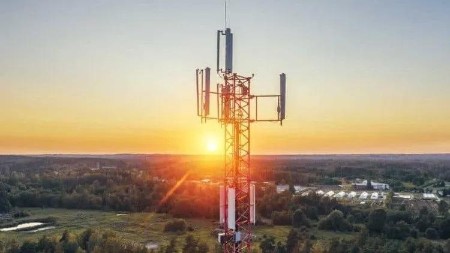
Principles of Wireless Systems
Published 7/2024
Duration: 43m | .MP4 1280x720, 30 fps(r) | AAC, 44100 Hz, 2ch | 176 MB
Genre: eLearning | Language: English
Subtitle: Explained with Examples from 5G, LTE and Wi-Fi
What you'll learn
1) In-depth knowledge and understanding of the wireless system structures and key technologies in practical systems;
2) In-depth knowledge and understanding of the principles of wireless systems and algorithms in both hardware and software;
3) Technical capabilities to design and develop wireless systems and algorithms in both hardware and software;
4) Technical capabilities to evaluate the performance of wireless systems in both hardware and software.
Requirements
No particular prerequisites are required.
Description
This course covers the practical systems structure and algorithms in wireless systems, with contents balancing between engineering principles and industrial practice. The course provides students with comprehensive technical capabilities to develop wireless systems and algorithms in practical hardware and software. These technical capabilities include:
1) In-depth knowledge and understanding of the wireless system structures and key technologies in practical systems;
2) In-depth knowledge and understanding of the principles of wireless systems and algorithms in both hardware and software;
3) Technical capabilities to design and develop wireless systems and algorithms in both hardware and software;
4) Technical capabilities to evaluate the performance of wireless systems in both hardware and software;
5) In-depth knowledge and understanding of recent technology developments in the wireless industry.
The knowledge and technical capabilities developed by this course will be of great value for students and industrial professionals planning to develop expertise in wireless system development.
This course is suitable for industrial professionals seeking to develop an in-depth understanding of the wireless system algorithm principles that can help their professional work. The course audience can be system engineers, software engineers, hardware engineers, and research scientists.
This course is also suitable for students from electrical and computer engineering and other fields in engineering and science majors, for example, software engineering, computer science, mathematics, physics, etc. The course is developed considering no particular prerequisite knowledge in this technical field.
Who this course is for:
This course is suitable for industrial professionals seeking to develop an in-depth understanding of the wireless system algorithm principles that can help their professional work. The course audience can be system engineers, software engineers, hardware engineers, and research scientists.
This course is also suitable for students from electrical and computer engineering and other fields in engineering and science majors, for example, software engineering, computer science, mathematics, physics, etc. The course is developed considering no particular prerequisite knowledge in this technical field.
More Info
We need your support!
Make a donation to help us stay online

Bitcoin (BTC)
bc1q08g9d22cxkawsjlf8etuek2pc9n2a3hs4cdrld

Bitcoin Cash (BCH)
qqvwexzhvgauxq2apgc4j0ewvcak6hh6lsnzmvtkem

Ethereum (ETH)
0xb55513D2c91A6e3c497621644ec99e206CDaf239

Litecoin (LTC)
ltc1qt6g2trfv9tjs4qj68sqc4uf0ukvc9jpnsyt59u

USDT (ERC20)
0xb55513D2c91A6e3c497621644ec99e206CDaf239

USDT (TRC20)
TYdPNrz7v1P9riWBWZ317oBgJueheGjATm
Information |
|||
 |
Users of GUESTS are not allowed to comment this publication. | ||