


Computing in the Age of Decolonization India's Lost Technological Revolution
Category: eBooks
- views: 208
- date: 11 March 2026
- posted by: BeMyLove
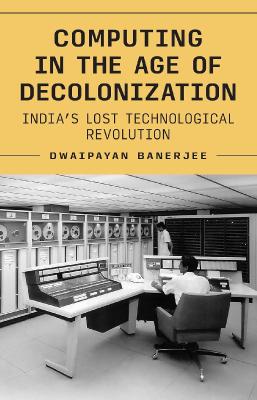
Computing in the Age of Decolonization India's Lost Technological Revolution | 5.55 MB
Title: Computing in the Age of Decolonization
Author: Dwaipayan Banerjee
Category: Nonfiction, Computers, General Computing, Reference, Science & Nature, Science, Other Sciences, History
Language: English | 293 Pages | ISBN: 9780691287423
Description:
How Cold War geopolitics and domestic capitalism changed the trajectory of India's computing industry
India today is widely recognized for producing world-class tech talent and Silicon Valley leaders, yet captures only a fraction of the global tech industry's profits, primarily providing skilled but inexpensive labor for Western corporations. Computing in the Age of Decolonization uncovers the overlooked history behind this paradox, tracing India's ambitious but ultimately thwarted drive to build a self-reliant computing industry from the 1950s to the 1980s.
After independence in 1947, Indian scientists and policymakers at institutions such as the Tata Institute of Fundamental Research saw computing as central to national sovereignty, economic growth, and scientific advancement. Through projects such as the groundbreaking TIFRAC computer and the decisive expulsion of IBM, they aimed for technological independence. But almost immediately, these initiatives faced powerful political and economic headwinds. Indian computer scientists grappled with Cold War politics, international trade imbalances, US corporate monopolies, and strategic decisions by India's technocratic elite, who favored profitable technical services over costly investments in research and manufacturing.
In narrating this lost future, Computing in the Age of Decolonization shows that genuine technological independence requires more than technical expertise—it demands addressing enduring political and social structures rooted in colonial legacies. As global struggles over technology intensify, this book reveals how historical pathways continue to shape contemporary battles for technological and economic sovereignty.
DOWNLOAD:
https://rapidgator.net/file/e9e6dbf82a8f180ac5f0c6718c3add0f/Computing_in_the_Age_of_Decolonization_India's_Lost_Technological_Revolution.pdf
https://nitroflare.com/view/F0557F7A21D1E7D/Computing_in_the_Age_of_Decolonization_India%27s_Lost_Technological_Revolution.pdf
How Cold War geopolitics and domestic capitalism changed the trajectory of India's computing industry
India today is widely recognized for producing world-class tech talent and Silicon Valley leaders, yet captures only a fraction of the global tech industry's profits, primarily providing skilled but inexpensive labor for Western corporations. Computing in the Age of Decolonization uncovers the overlooked history behind this paradox, tracing India's ambitious but ultimately thwarted drive to build a self-reliant computing industry from the 1950s to the 1980s.
After independence in 1947, Indian scientists and policymakers at institutions such as the Tata Institute of Fundamental Research saw computing as central to national sovereignty, economic growth, and scientific advancement. Through projects such as the groundbreaking TIFRAC computer and the decisive expulsion of IBM, they aimed for technological independence. But almost immediately, these initiatives faced powerful political and economic headwinds. Indian computer scientists grappled with Cold War politics, international trade imbalances, US corporate monopolies, and strategic decisions by India's technocratic elite, who favored profitable technical services over costly investments in research and manufacturing.
In narrating this lost future, Computing in the Age of Decolonization shows that genuine technological independence requires more than technical expertise—it demands addressing enduring political and social structures rooted in colonial legacies. As global struggles over technology intensify, this book reveals how historical pathways continue to shape contemporary battles for technological and economic sovereignty.
DOWNLOAD:
https://rapidgator.net/file/e9e6dbf82a8f180ac5f0c6718c3add0f/Computing_in_the_Age_of_Decolonization_India's_Lost_Technological_Revolution.pdf
https://nitroflare.com/view/F0557F7A21D1E7D/Computing_in_the_Age_of_Decolonization_India%27s_Lost_Technological_Revolution.pdf
We need your support!
Make a donation to help us stay online

Bitcoin (BTC)
bc1q08g9d22cxkawsjlf8etuek2pc9n2a3hs4cdrld

Bitcoin Cash (BCH)
qqvwexzhvgauxq2apgc4j0ewvcak6hh6lsnzmvtkem

Ethereum (ETH)
0xb55513D2c91A6e3c497621644ec99e206CDaf239

Litecoin (LTC)
ltc1qt6g2trfv9tjs4qj68sqc4uf0ukvc9jpnsyt59u

USDT (ERC20)
0xb55513D2c91A6e3c497621644ec99e206CDaf239

USDT (TRC20)
TYdPNrz7v1P9riWBWZ317oBgJueheGjATm
Information |
|||
 |
Users of GUESTS are not allowed to comment this publication. | ||