Process/Chemical Engineering - Bootcamp 2021
Date: 11 October 2026 | Posted by: AD-TEAM

Process/Chemical Engineering - Bootcamp 2021
Last updated 12/2021
MP4 | Video: h264, 1280x720 | Audio: AAC, 44.1 KHz
Language: English | Size: 3.61 GB | Duration: 10h 18m
What you'll learn
Core Elements of Process Engineering
Mixture Properties and Hydrocarbon Phase Behavior
Basic Concepts behind Mass and Energy Balance
Fluid Flow Fundamentals
Fluid Mechanics and Transportation
Engineering Drawings specifically the importance of Piping and Instrumentation Diagrams
Sizing of pressure changers: Pipe/Pipeline, Pump, Compressor, Valve and etc.
Gravity Separator Sizing
Heat Exchanger Sizing
Fundamentals of Process Control
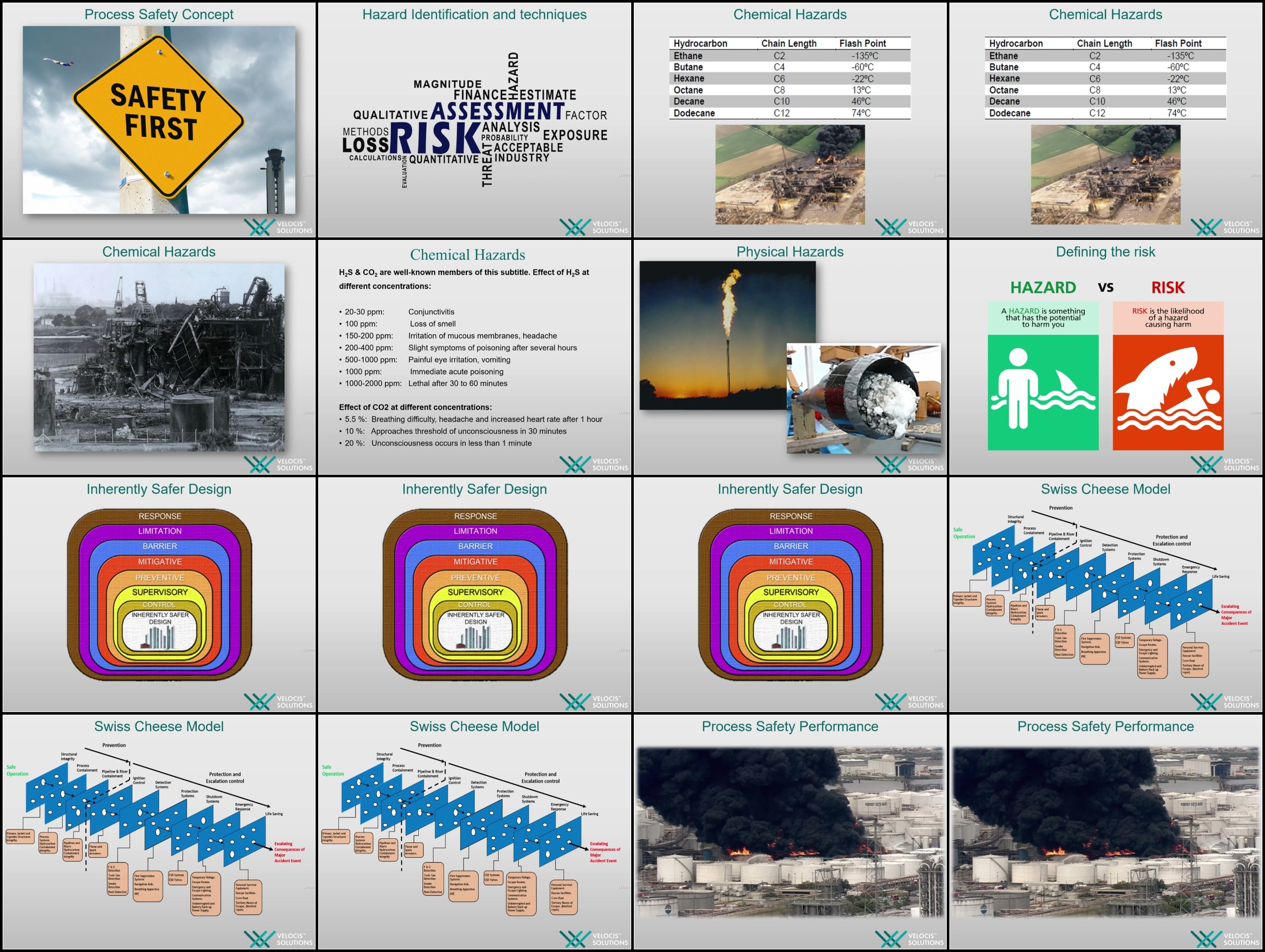
Introduction to Process Safety
Requirements
There is no strict requirement for this course
Description
Process/Chemical Engineering - BOOTCAMP 2021 course mainly focuses on the most significant elements of process engineering that should be known by Chemical and Process Engineers and those who are interested in this field. Besides the needed theoretical knowledge about process engineering, you will have a unique chance to learn the design procedures for mostly utilized unit operations in industry by looking through the following sections:Introduction to Process Engineering, types of projects, the engineering companies and their types that should be known by course takers, overall design steps for the whole projectProcess Engineering Drawings, the main drawings, such as BFD, PFD, P&ID, isometricsMixture Properties, getting into the behavior of mixturesMaterial and Energy BalanceFluid Flow Fundamentals, the most fundamental and applied knowledge about fluid transport and its significant contributorsGravity Separations & Separators, the main theory about separation by gravity, practical knowledge about the principle and design specifications of equipmentValvesPumps CompressorsHeat Exchangers, the fundamental theory of Heat Exchanger and its design principlesProcess Control FundamentalsIntroduction to Process SafetyDo you want to know more about "What is Process/Chemical Engineering?", let's go ahead then:Process Engineering provides the chemical or biochemical processes and equipment that are used to turn raw materials into an end product and is an essential part of the manufacturing industry.Process Engineers create, set specifications, develop, implement and monitor this equipment or these processes as part of the manufacturing system. Within pharmaceutical and medical device manufacturing, the processes involved can be chemical or biochemical.
Overview
Section 1: Introduction to Chemical/Process Engineering
Lecture 1 Engineering Disciplines
Lecture 2 Engineering Companies
Lecture 3 Chemical Engineering Projects
Lecture 4 Organization of Chemical Engineering Projects
Lecture 5 Calculations in Chemical Engineering
Lecture 6 Nature of Design
Lecture 7 System of Units
Lecture 8 Actual and Standard Conditions
Section 2: Process Engineering Drawings
Lecture 9 Overview of Engineering Drawings and Diagrams
Lecture 10 Block Flow Diagrams, BFDs
Lecture 11 Process Flow Diagrams, PFDs
Lecture 12 Piping and Instrumentation Diagrams, P&IDs
Lecture 13 Tags on Piping and Instrumentation Diagrams, P&IDs
Lecture 14 P&ID Development, Revision and Update
Lecture 15 Utility Lines in P&IDs
Lecture 16 Cause and Effect, C&E Diagrams
Lecture 17 Drawings used in Other Disciplines
Section 3: Mixture Properties
Lecture 18 Chemical and Physical Properties
Lecture 19 Molecular Weight and Density
Lecture 20 Liquid and Gas Density
Lecture 21 Compressibility Factor and Viscosity
Lecture 22 Specific Heat Capacity and Thermal Conductivity
Lecture 23 Sensible and Latent Heat
Lecture 24 Boiling Temperature
Lecture 25 Vapor Pressure
Section 4: Material and Energy Balance
Lecture 26 Mass/Material Balance
Lecture 27 Conversion and Yield
Lecture 28 Thermodynamic Processes
Lecture 29 Expansion and Compression of Gas
Lecture 30 Energy Balance
Lecture 31 Enthalpy Calculation
Lecture 32 Heat of Mixture, Reaction and Formation
Lecture 33 Application Session: Material and Energy Balance
Section 5: Fluid Flow Fundamentals
Lecture 34 Fluid Flow and Flow Types
Lecture 35 Common Fluid Types
Lecture 36 Flow Regimes and Reynolds Number
Lecture 37 Pressure Drop and Head Loss
Lecture 38 Factors affecting Pressure Drop and Head Loss
Lecture 39 Friction Factor and Moody Chart
Lecture 40 Friction Factor using Colebrook Equation
Lecture 41 Bernoulli Principle
Lecture 42 Line/Pipe Sizing
Lecture 43 Application Session: Line/Pipe Sizing
Section 6: Valve Unit Operation
Lecture 44 Introduction to Valve Unit Operation
Lecture 45 Valve Operating Principles
Lecture 46 Valve Internals
Lecture 47 Isolation Valves
Lecture 48 Control Valves
Lecture 49 Control Valve Flow Characteristics
Lecture 50 Check Valves
Lecture 51 Control Valve Sizing for Liquid Service
Section 7: Pump Unit Operation
Lecture 52 Classification of Pumps
Lecture 53 Major Pump Types
Lecture 54 Pump Head and Selection
Lecture 55 Cavitation in Pumps
Lecture 56 Calculation of NPSH
Lecture 57 Centrifugal Pumps
Lecture 58 Centrifugal Pump Performance Curves
Lecture 59 Cavitation on Pump Performance Curves
Lecture 60 System Curve and Capacity Control
Lecture 61 Pump Capacity Control Example
Lecture 62 Multiple Pumps in Operation
Lecture 63 Positive Displacement Pumps
Section 8: Compressors
Lecture 64 Rotary and Reciprocating Compressors
Lecture 65 Centrifugal and Axial Compressors
Lecture 66 Compressor Power Requirement
Lecture 67 Polytropic and Isentropic Compression
Lecture 68 Compressor Performance Curve
Lecture 69 Compressor Capacity Control
Section 9: Gravity Separation, Separators
Lecture 70 Principles of Separation Theory
Lecture 71 Separation Techniques
Lecture 72 Phase Diagrams (Part I)
Lecture 73 Phase Diagrams (Part II)
Lecture 74 Bubble and Dew Point Calculations
Lecture 75 Vapor-Liquid Equilibrium
Lecture 76 Flash Calculation
Lecture 77 Selection Criterion of Separators
Lecture 78 Common Operating Challenges
Lecture 79 Horizontal Separator Sizing
Lecture 80 Horizontal Separator Sizing Example
Section 10: Heat Exchangers
Lecture 81 Heat Transfer Mechanisms: Conduction
Lecture 82 Heat Transfer Mechanisms: Convection
Lecture 83 Heat Transfer Mechanisms: Radiation
Lecture 84 Multiple Heat Transfer Mechanisms
Lecture 85 Heat Exchanger Types
Lecture 86 Shell & Tube Heat Exchangers
Lecture 87 Common Applications of Shell & Tube Heat Exchangers
Lecture 88 Shell & Tube Heat Exchanger Internals
Lecture 89 Basic Heat Balance around Heat Exchanger
Lecture 90 Shell & Tube Heat Exchanger Design
Lecture 91 Effect of Fouling and Velocity
Section 11: Process Control Fundamentals
Lecture 92 1. Importance of Process Control
Lecture 93 2. Elements of Process Control - Part I
Lecture 94 3. Elements of Process Control - Part II
Lecture 95 4. Control Systems - Part I
Lecture 96 5. Control Systems - Part II
Lecture 97 6. Solution Methods for ODEs
Lecture 98 7. P, PI, PID Control Systems
Section 12: Introduction to Process Safety
Lecture 99 1. Fundamentals of Process Safety
Lecture 100 2. Risk Assessment Techniques
Lecture 101 3. Fundamentals of HAZOP - Part I
Lecture 102 4. Fundamentals of HAZOP - Part II
Lecture 103 5. Fundamentals of LOPA
Chemical Engineers,Process Engineers,Junior Engineers,Design Engineers,Engineering Students
RapidGator
https://rapidgator.net/file/b1ca74979920a41d2be38f1b5345bcf6/
https://rapidgator.net/file/ac5c48f0b4d16fde5b5e31ddc7a80541/
https://rapidgator.net/file/9477b8d390f9e350f6ced2da94852277/
https://rapidgator.net/file/efcd3dc8a7843cf3ccc17344e971bd66/
DDownload
https://ddownload.com/1n7hbycvvyd2
https://ddownload.com/dx6f0asat3zj
https://ddownload.com/rjegyu53326f
https://ddownload.com/az09ndd7ml8v
NitroFlare
https://nitroflare.com/view/9AE3ADFA3042EF4/
https://nitroflare.com/view/34D0127E3003087/
https://nitroflare.com/view/8960780B51A57AF/
https://nitroflare.com/view/391F567F0080370/
See full article