Diagnosing Voltage Drops And High Resistance Problems
Date: 8 December 2024 | Posted by: AD-TEAM
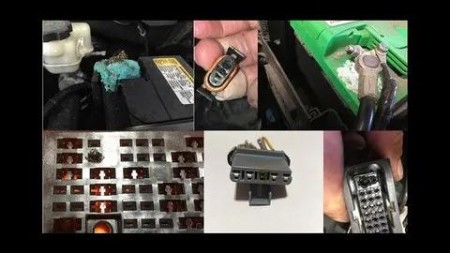
Diagnosing Voltage Drops And High Resistance Problems
Published 11/2024
MP4 | Video: h264, 1920x1080 | Audio: AAC, 44.1 KHz
Language: English | Size: 1.12 GB | Duration: 2h 10m
Save valuable time and reduce headaches caused by strange and intermittent electrical problems
What you'll learn
Master Critical Diagnostic Skills: Learn to accurately diagnose and solve high resistance problems and unwanted voltage drops in automotive vehicles.
Enhanced Problem-Solving Skills: Add valuable and practical skills to your mental toolbox, boosting your efficiency and effectiveness in electrical diagnostics.
Comprehensive Understanding: Gain a solid grounding in basic electrical diagnostic principles, ensuring you can confidently interpret voltage readings.
Detailed Explanations: Understand both ground side and power side voltage drops thoroughly, preventing potential misdiagnoses.
Time and Efficiency: Save valuable time and reduce headaches caused by strange and intermittent electrical problems with the knowledge gained.
Requirements
Although helpful, No Prior Automotive or Electrical Understanding is Required. Just a desire to learn and a willingness to practice the diagnostic process.
Description
Welcome to the 'Mastering Electrical Troubleshooting in Automotive' course!In this course, you will learn how to identify high resistance problems and unwanted voltage drop issues that can develop in automotive vehicles. High resistance robs some of the voltage that a circuit needs to operate properly. If the voltage drop caused by high resistance is severe enough, the circuit may not work at all.Basic electrical diagnostic principles are reviewed so you can confidently understand how to interpret the voltage readings when you make them as part of your electrical diagnosis. The key to successful diagnosis comes down to answering three questions.1) What voltage do I expect?2) What voltage do I measure?3) What does it mean?This course includes demonstration videos and case studies to help you see why specific measurements are made and how the results of these measurements allow you to narrow down, and pinpoint where a fault is located.Ground side and power side voltage drop are explained and demonstrated, and the understanding you need is provided so you will not be fooled by these challenging issues.Also discussed are safety and maintenance considerations to help keep you and the vehicles you service out of trouble.Collectively, the information provided in this course will be a welcome addition to your mental toolbox and save you time and headaches that can occur from strange and intermittent electrical problems.Let's get started!
Overview
Section 1: Introduction to Voltage Drops in Vehicles
Lecture 1 Welcome and Introduction
Lecture 2 Four Types of Faults - Symptoms and Misconceptions
Lecture 3 Test Your Knowledge - Voltage Measuring Fundamentals
Lecture 4 Understanding Voltage Levels Throughout the Circuit
Lecture 5 'Voltage Drop' and 'Voltage At' Measurements
Section 2: Diagnosing Voltage Drop Issues
Lecture 6 Diagnosing an Inoperative Circuit
Lecture 7 Voltage Drop Diagnostic Considerations
Lecture 8 Demo 2-50 ohm resistors in Series Voltage Measurements
Lecture 9 Demo 10 and 50 ohm resistors in Series Voltage Measurements
Lecture 10 Choosing Between Voltage At and Voltage Drop Measurements
Lecture 11 Choosing Between Voltage At and Voltage Drop Continued
Lecture 12 Understanding the Implications of High Voltage Drops
Section 3: Voltage Drop and it's Consequences
Lecture 13 What are the Effects of Ground or Power Side Voltage Drop?
Lecture 14 Brake and Park Lamp Circuit Description
Lecture 15 Brake and Park Lamp Circuit High Resistance Case Study 1
Lecture 16 Brake and Park Lamp Circuit High Resistance Case Study 2
Lecture 17 Horn Circuit Case Study - Circuit Explained
Lecture 18 High Resistance - Case Study 3
Section 4: Advanced Troubleshooting Techniques
Lecture 19 Power Load and Ground Review
Lecture 20 Special Situation - Brake and Park Lamp Circuit - Revisited
Lecture 21 Demo - Measuring Voltage When There is High Resistance
Lecture 22 Demo - Choosing Between Voltage Drop and Voltage At
Lecture 23 Demo - Less Obvious High Resistance Issues
Lecture 24 Demo - Benefits of Some Additional Tools
Lecture 25 Safety Practices for Working on Automotive Electrical Systems
Section 5: Preventative Measures and Maintenance Strategies
Lecture 26 Maintenance Practices that Can Help Prevent Common Electrical Issues
Lecture 27 How to Configure and Maintain Robust Electrical Systems
Lecture 28 Routine Checklist for Ongoing Vehicle Electrical Health Monitoring
Lecture 29 Thank you for Taking This Course
Lecture 30 Bonus Demo Video
Do-it-Yourselfers or Anyone who wants to learn how to Diagnose Unwanted Voltage Drops and High Resistance Problems on Automobiles.,Anyone looking to Eliminate Wasted Time by learning a systematic step by step approach to automotive diagnostics.,Beginner Automotive Students looking to better understand Automotive Electrical and Schematic Diagrams.
Fikper
RapidGator
NitroFlare
See full article